
Bariatric Surgery
Obesity is considered a condition that happens when the number and size of fat cells increase in the body. Per the National Heart, Lung, and Blood Institute(NHLBI), about 3 in 4U.S. grown-ups over age 20 have fat or rotundity, according to their body mass indicator( BMI), and they may be at a advanced threat of developing other habitual ails, similar as heart complaint and type 2 diabetes.

About Obesity
According to the Obesity Action Coalition, people with internal health conditions may be over to 2 to 3 times more likely to develop rotundity and affiliated health conditions. It’s not clear whether this may be due to life or emotional eating, or maybe due to internal health specifics that can beget side goods similar as weight gain.
Procedure of Obesity
The effects of bariatric surgery vary depending on how much food the stomach can contain, how well the body can absorb nutrients, or a combination of the two. The most prevalent kinds of bariatric procedures include:
Gastric Bypass: One of the most popular types of bariatric surgery is gastric bypass. The technique is divided into two steps, to put it simply. The top of the stomach is first separated from the remainder of the stomach by a tiny pouch. The bottom end of the small intestine is attached to the newly formed tiny pouch in the stomach when the first section of the small intestine is separated.
Sleeve Gastrectomy: involves cutting out about 80% of the stomach. What’s left is a sleeve, which is a tube-shaped pouch. The stomach can no longer hold as much food due to its reduced size.
Gastric Band: An inflatable band is wrapped around the top of the stomach as part of the adjustable gastric band, resulting in a smaller pouch above. Patients feel full more quickly and less food can be stored.

Types of Bariatric Surgeries
Cancer Treatment
Cancer treatment is the process of removing or neutralizing the abruptly grown carcinogenic cells. Genetic alterations that disrupt this well-ordered process are the cause of cancer. Uncontrollable cell growth starts to occur. There are numerous cancer therapies. You might undergo one treatment or a combination of treatments, depending on your specific circumstance.

About Cancer
Cells are the building blocks of the human body. When the body requires new cells, existing cells grow and divide to produce them. Cells typically pass away when they get too old or damaged. New cells then replace the old ones.
A mass of these cells known as a tumor may develop. A tumor may be benign or malignant. Malignant refers to the ability of a cancerous tumor to develop and metastasize to different body regions. If a tumor is benign, it can enlarge but won’t spread.
There are different treatment methods a cancer can be treated as:

Types of Cancer
Cardiology Procedures
The medical specialty of cardiology focuses on the analysis and management of conditions affecting the cardiovascular system, particularly the heart, veins, and arteries.
Cardiologists, who are medical professionals with a focus on cardiology, are in charge of managing various heart disorders medically. They undertake interventional procedures, such as angioplasty, and carry out and interpret diagnostic testing.

Procedure of Cardiology
Surgery for the heart or the circulatory system is one way to address cardiac conditions. When no other medication can address the heart condition, it is the only option.

Cardiology Treatments
Cosmetology Procedures
What is?
Cosmetology is a field dedicated to the study and practice of beauty treatments and techniques. It involves a range of procedures and practices aimed at enhancing the appearance and well-being of individuals. Cosmetologists are professionals who provide services related to hair, skin, nails, and overall aesthetics. This article provides an overview of cosmetology, including its scope, procedures, training, and professional considerations.

Understanding Cosmetology
Cosmetology encompasses various aspects of beauty and personal care. It involves the application of specialized skills, techniques, and products to enhance and maintain the physical appearance of clients. Cosmetologists are trained professionals who provide a wide array of services, including hairstyling, skincare, makeup application, nail care, and more. They possess in-depth knowledge of different beauty products, tools, and techniques to achieve desired results.
Procedure of Cosmetology
Cosmetology encompasses a wide range of procedures and treatments. Some common procedures include:
Haircutting and Styling: Cosmetologists offer various haircutting techniques, hairstyles, and hair treatments to suit individual preferences.
Hair Colouring and Highlights: This involves applying colour or highlights to the hair to create desired looks and cover grays.
Skincare Treatments: Cosmetologists provide facials, exfoliation treatments, and skincare routines tailored to clients’ specific skin types and concerns.
Makeup Application: From everyday looks to special occasion makeup, cosmetologists use their expertise to create flawless and personalized makeup styles.
Nail Services: This includes manicures, pedicures, nail art, and treatments to maintain healthy and attractive nails.

Cosmetology Procedures
ENT Surgery
Disorders involving the ears, nose, and throat are the main focus of ENT surgery. An otolaryngologist, a medical professional with training in treating patients with conditions affecting the ears, nose, throat, and other neck and face structures, performs this kind of surgery.
ENT surgery can assist in treating wounds or malformations in these regions that result in issues like pain, recurrent infections, and breathing difficulties.

About ENT Surgery
Surgery in the field of otolaryngology is done on the head or neck to treat issues with the ears, nose, or throat. Otolaryngologists are medical professionals with specialized training in the diagnosis and treatment of ear, nose, and throat conditions. These conditions could occasionally call for surgery.
Their expertise lies in the diagnosis and treatment of conditions affecting the sinuses, larynx (voice box), oral cavity, upper pharynx (mouth and throat), and facial and neck structures. Otolaryngologists identify, manage, and treat a wide range of primary care issues in both children and adults, in addition to illnesses that are specific to their fields of expertise.
Procedure of ENT Surgery
When medicine and other non-invasive treatments fail to treat illnesses that affect the ear, nose, or throat, ENT surgery is frequently required. One of the broadest medical disciplines is otorhinolaryngology (ENT), which includes a number of sub-specialties including laryngology, pediatrics, otology, neurotology, implantation otology, cancer, rhinology, and sinus surgery.
ENT surgery could be necessary to treat a variety of conditions, from laryngeal cancer in adults to curing tonsillitis in children. To rectify malformations or injuries, ENT surgery is frequently employed in reconstructive and aesthetic procedures.

Adenoidectomy and tonsillectomy: A tonsillectomy is a surgical treatment used to remove the tonsils, whereas an adenoidectomy is used to remove the adenoids.
Ear Surgery: The insertion of a myringotomy tube is one of the most frequent ear procedures, which is another incredibly popular type of surgery. A tube is inserted during this treatment to treat and prevent recurrent inner ear infections.
Septoplasty: The nasal septum is straightened using this treatment. The nasal septum, which separates the nasal cavities, is a structure consisting of cartilage and very thin bone.
Sinus Surgery: In order to clear any obstructions or blockages from the sinuses or to make the sinus openings larger for better drainage, sinus surgery is performed.
Types of ENT Surgery
Eye Surgery
The study of eye-related medical disorders is known as ophthalmology. Ophthalmologists are medical professionals that focus on the surgical and medical care of this organ.
If a patient exhibits signs of cataracts, infections of the eyes, issues with the optic nerve, or other eye diseases, a general practitioner may recommend that patient see an ophthalmologist.

About Ophthalmology
The medical and surgical treatment of the eyes is the focus of the specialty of ophthalmology. Only ophthalmologists are medically qualified to oversee the whole spectrum of eye and vision treatment. They can perform surgeries, distribute drugs, diagnose and treat eye ailments and diseases, prescribe glasses and contact lenses, and more.
There are sub-specializations that physicians can master. The most common sub-specializations include the following:
Pediatric Ophthalmology: for dealing with eye disorders of infants and young children including strabismus (misaligned eyes)
Neuro-Ophthalmology: deals with vision disorders caused by nervous system problems, specifically the brain
Ophthalmic Pathology: involves the diagnosis of neoplastic eye condition (also known as surgical pathology or surgical ophthalmology). Ocular oncology, a sub-specialization focused mainly on eye tumors and cancer of the eye or its parts.
Procedure of Ophthalmology
Ophthalmology has multiple procedures for multiple ailments. With the advancement in medical science, the ophthalmologists have discovered newer and minimally invasive methods to cure the patients at utmost.
Pneumatic Retinopexy: Retinal detachment is treated with pneumatic surgery, a non-incisional procedure. The ophthalmic surgeon performs this surgery by inserting a gas bubble into the center of the eye.
Scleral Buckle: A surgical procedure called a scleral buckle is used to treat different types of retinal detachments. The retina is flattened and fractures are closed with this method.
Corneal Cross: Linking Process: The cornea can be straightened using this procedure. It involves very little physical contact. UV radiation and eye drops are used by the surgeon during this procedure to straighten the corneal collagen fiber.
Corneal Inlays: A surgical procedure called a corneal inlay is used to correct presbyopia. The illness known as presbyopia causes a loss in vision for close-up objects due to the lens’s diminished ability to change shape.
Radial Keratotomy: It is the oldest and successful technique which is performed for the treatment of myopia. In myopia, the distance object appears blurry.
Goniotomy: It is the surgery used to treat glaucoma and is considered as minimally invasive surgery. In this surgery, the surgeon makes an opening in the trabecular meshwork.

Types of Eye Surgery
General Surgery
General surgery is a medical specialty that involves the diagnosis, treatment, and management of various surgical conditions. Surgeons in this field are trained to operate on a wide range of body systems, including the digestive tract, skin, breast, endocrine system, and vascular system.
Common procedures performed by general surgeons include appendectomies, hernia repairs, gallbladder removals, and colon surgeries. They also perform more complex surgeries, such as liver transplants, bariatric surgery, and surgeries to treat cancer.

About General Surgery
General surgeons work closely with other medical professionals, including anaesthesiologists, radiologists, and pathologists, to provide the best possible care for their patients. They use the latest surgical techniques and technologies to minimize pain, scarring, and recovery time for their patients. Overall, general surgery is a critical field that plays an essential role in maintaining the health and well-being of patients.

Procedure of General Surgery
General surgery includes a wide range of procedures, some of which are:
Appendectomy: The surgical removal of the appendix, often performed to treat appendicitis.
Hernia repair: A surgical procedure that involves repairing a protruding organ or tissue, often in the abdominal area.
Gallbladder removal: Also known as a cholecystectomy, this surgery involves removing the gallbladder to treat conditions such as gallstones.
Colon surgery: Various procedures can be performed on the colon, such as a colectomy to remove part of the colon or a colonoscopy to examine the inside of the colon.
Breast surgery: This can include breast biopsy, lumpectomy to remove a tumour, or a mastectomy to remove the breast.
Thyroid surgery: This involves removing all or part of the thyroid gland to treat conditions such as thyroid cancer or hyperthyroidism.
Vascular surgery: A range of surgical procedures can be performed on blood vessels, including angioplasty to open blocked arteries and vein stripping to treat varicose veins.
These are just a few examples of the many procedures that general surgeons may perform. Each surgery is tailored to the individual patient’s needs and health condition, and the surgeon will work closely with the patient and other medical professionals to ensure the best possible outcome.
Gynaecology Treatment
Gynaecology is the branch of medicine that focuses on the female reproductive system and its associated health issues. Gynaecologists diagnose and treat a wide range of conditions affecting women, including menstrual disorders, pelvic pain, endometriosis, ovarian cysts, and gynaecological cancers.
Gynaecology also involves the provision of essential services such as contraception, prenatal care, and menopause management. Gynaecologists use various tools and techniques such as ultrasound scans, Pap smears, and pelvic exams to monitor the health of the reproductive system and detect any abnormalities.

About Gynaecology
The field of gynaecology has evolved significantly over the years, with advancements in technology and medical research leading to more effective diagnostic and treatment options. Today, gynaecologists play a vital role in women’s healthcare, helping to improve their overall health and quality of life.
In addition to their medical expertise, gynaecologists must possess excellent communication skills to discuss sensitive and personal issues with their patients. They must also maintain a high degree of empathy, sensitivity, and professionalism, as they often work with women during some of the most vulnerable and intimate moments of their lives.
Procedure of Gynaecology
The treatment procedure in gynaecology varies depending on the specific condition being treated. Here are some common procedures used in gynaecology:
Medications – Gynaecologists may prescribe medications such as antibiotics to treat infections or hormonal medications to regulate menstrual cycles or alleviate menopausal symptoms.
Surgery – Some gynaecological conditions may require surgery, such as a hysterectomy (removal of the uterus), oophorectomy (removal of ovaries), or myomectomy (removal of fibroids).
Minimally invasive procedures – Laparoscopic or hysteroscopic surgeries are minimally invasive procedures that use small incisions and specialized instruments to diagnose and treat conditions such as endometriosis or uterine fibroids.
Radiation or chemotherapy – Radiation therapy or chemotherapy may be used in cases of gynaecological cancers.
Counselling – Gynaecologists may offer counselling and support for issues such as infertility, menopause, or sexual health.
It’s important to consult with a gynaecologist to determine the most appropriate treatment plan for your specific condition. The gynaecologist will evaluate your symptoms, perform necessary tests or procedures, and provide you with a personalized treatment plan.

Types of Gynaecology Treatments
IVF Treatments
IVF, short for In Vitro Fertilization, is a commonly sought-after fertility treatment. It entails a series of procedures aimed at assisting couples struggling with infertility. IVF & Fertility process The process involves extracting eggs from the woman’s ovaries, fertilizing them with sperm in a controlled laboratory environment, and then transferring the resulting embryos back into the woman’s uterus. IVF & Fertility process offers hope to couples by enhancing their prospects of achieving a successful pregnancy.

About IVF
IVF is a fertility process treatment involving hormonal stimulation, egg retrieval, fertilization in a lab, and embryo transfer. It offers hope to couples struggling to conceive by increasing their chances of successful pregnancy.
Procedure of IVF
Hormonal Stimulation: The woman receives medications to stimulate the ovaries to produce multiple eggs.
Egg Retrieval: The eggs are retrieved through a minimally invasive surgical procedure using ultrasound guidance.
Sperm Collection: The partner provides a sperm sample, which is prepared in the lab.
Fertilization: The eggs and sperm are combined in a controlled laboratory environment. Fertilization can occur through conventional insemination or Intracytoplasmic Sperm Injection (ICSI), where a single sperm is injected into each egg.
Embryo Culture: The resulting embryos are cultured in the lab for a few days to allow them to develop.
Embryo Transfer: One or more embryos are transferred into the woman’s uterus using a thin catheter.
Pregnancy Test: A couple of weeks after the embryo transfer, a pregnancy test is conducted to determine if the procedure was successful.

IVF Procedures
Nephrology Treatment
Nephrology is a specialized field of medicine that deals with the study, diagnosis, and treatment of kidney diseases. The kidneys play an important role in the body by filtering waste products from the blood and regulating electrolytes and fluid balance. Nephrologists are specially trained to diagnose and manage conditions that affect the kidneys, such as chronic kidney disease, kidney stones, glomerulonephritis, and urinary tract infections.
Nephrology also involves the management of patients with hypertension and diabetes, which are common causes of kidney disease. Treatment options for kidney diseases can include medication, dietary changes, and dialysis or kidney transplant for advanced cases. Nephrologists work closely with other healthcare professionals, such as urologists, transplant surgeons, and dietitians, to provide comprehensive care for patients with kidney diseases.
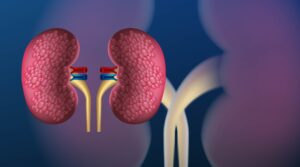
About Nephrology
India has some of the best nephrology treatment facilities in the world, with highly skilled nephrologists and advanced technology. Nephrology treatment in India includes diagnosis, management, and treatment of various kidney disorders and diseases such as chronic kidney disease, nephrotic syndrome, glomerulonephritis, kidney stones, and urinary tract infections. The treatment options may vary from medication and lifestyle modifications to dialysis and kidney transplant. Nephrology centers in India offer state-of-the-art facilities, including haemodialysis, peritoneal dialysis, and kidney transplantation, along with well-equipped labs and diagnostic services.

Procedure of Nephrology
The nephrology treatment procedure can vary depending on the specific condition and severity of the disease. Here is a general overview of the steps involved in nephrology treatment:
Diagnosis: The first step in nephrology treatment is diagnosing the underlying kidney condition or disease. This may involve a physical examination, blood tests, urine tests, imaging tests, and a kidney biopsy if needed.
Management: Once a diagnosis is made, the nephrologist will work with the patient to develop a management plan tailored to their specific needs. This may include medication, lifestyle modifications such as diet and exercise, and monitoring of kidney function.
Dialysis: In some cases, when the kidney function is severely impaired, the nephrologist may recommend dialysis. Dialysis is a process that uses a machine to filter waste products and excess fluids from the blood. It has two type of dialysis – haemodialysis and peritoneal dialysis.
Kidney Transplant: For some patients with end-stage kidney disease, a kidney transplant may be recommended. This involves surgically implanting a healthy kidney from a donor into the patient’s body.
Ongoing Care: Patients with kidney disease require ongoing care and monitoring by a nephrologist to manage their condition and prevent further damage to the kidneys.
Overall, nephrology treatment is a multi-step process that involves accurate diagnosis, individualized management, and ongoing care to maintain kidney function and improve the patient’s quality of life.
Neurology Treatment
The area of medicine that deals with the neurological system is called neurology. Neurology not only examines how the nervous system should be operating normally, but also deals with illnesses, abnormalities, and damage to different parts of the nervous system.
There are hundreds of distinct neurological disorders that affect billions of individuals globally due to the intricacy of the nervous system. They cause the majority of disabilities and a substantial portion of fatalities worldwide.

About Neurology
Neurology is a branch of medicine focused on the study, diagnosis, and treatment of disorders of the nervous system.
The nervous system has two major divisions:
A neurologist is a medical professional who focuses on neurology. Patients with accidents, illnesses, or problems of the central or peripheral nervous system are treated by neurologists.
Procedure of Neurology
Blood vessel disorders in the brain or spinal cord, such as aneurysms, arteriovenous malformations (AVM), and dural arteriovenous fistulae, Brain injury, including anoxic injury or traumatic brain injury. Brain tumors, both benign and cancerous. Degenerative disorders (disorders that get worse over time) such as Parkinson’s disease, multiple sclerosis, amyotrophic lateral sclerosis (ALS), Huntington’s chorea, and Alzheimer’s disease. Neuromuscular disorders, such as Bell’s palsy, cervical spondylosis, peripheral neuropathy, muscular dystrophy, myasthenia gravis, and Guillain-Barré syndrome.
Stroke disorders such as ischemic strokes (caused by blood clots), hemorrhagic strokes (caused by bleeding in the brain), and transient ischemic attacks (TIA or “mini-stroke”)

Types of Neurology Treatment
Organ Transplant
Organ transplantation is the surgical removal of a healthy organ from a donor and placing it onto the body of someone who has organ failure or has undergone trauma.
The effectiveness of organ transplants depends on a number of variables, including the blood type compatibility, size of the organ, length of waiting time, severity of the patient’s illness.

About Organ Transplant
If you have an organ that is no longer functioning, you may require an organ transplant (end-stage organ failure). Usually, an organ transplant is thought about after other potential treatments have been exhausted. If medical professionals believe the transplant will save your life, it can be an option. A kidney transplant for someone who has had kidney failure is one example of how a transplant can be utilized to enhance quality of life. Additionally, someone who has had serious burns to a delicate section of skin, like the face, may benefit from a tissue transplant.
Procedure of Organ Transplant
The organ transplant requires a standardized procedure, which involves testing and matching the compatibility of the donor and recipient. For the purpose of determining if you are a candidate for organ transplantation, the transplant team will assess you and look through your medical history.
Guidelines for the majority of organ transplant procedures specify the kind of individual who will benefit from the procedure and be able to handle the trying process.
You will be included on a national waiting list if the transplant team determines that you are an excellent candidate for a transplant. Several variables that depend on the type of transplant you are receiving determine where you will be placed on a waiting list.

Types of Organ Transplant
Orthopedic Treatment
Orthopedics is a medical specialty involving the treatment of the musculoskeletal system is the main emphasis of the. Muscles, bones, joints, ligaments, and tendons make up this system.
Orthopedic disorders can be treated surgically and non-surgically using drugs, physical therapy, exercise, alternative therapies, or a variety of surgical techniques, some of which are minimally invasive and hence less stressful to the body than traditional open surgery.
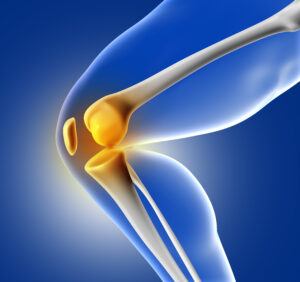
About Orthopedic
Orthopedic disorders cover vast regions in the body. An orthopedist offers vast treatments for dislodged joints or bones.
Wrists: The most common wrist surgeries are for the release of carpal tunnel or the fracture of the distal radius.
Ankles: Fractures of the ankle are common sports injuries. They are also common workplace injuries on sites where workers can fall from considerable heights or are exposed to trip hazards.
Hips: The most common hip procedures are the repair of the femoral neck, a trochanteric fracture or the replacement of the hip joint with a prosthetic.
Spine: The most common spinal operations are laminectomies, spinal fusions and intervertebral disc operations.
Shoulders: Arthroscopic surgery can be effective to repair the rotator cuff, decompress the shoulder or excise the distal clavicle. For more information on shoulder injuries, look here.
Knees: Procedures to repair the MCL and ACL are among the most common knee procedures. Also common is the total replacement of the knee.

Procedure of Orthopedic
Any procedure carried out on the musculoskeletal system is considered an orthopedic surgery. Your bones, muscles, ligaments, joints, and tendons make up this system. The three forms of orthopedic surgery are as follows.
Nowadays, minimally invasive arthroscopic surgeries that promise speedier recovery periods and less discomfort are competing with traditional procedures.
Paediatric Surgeries
If your child has an illness, injury, or disease that requires an operation, a pediatric surgeon has the experience and qualifications to treat your child.
Surgical problems seen by pediatric general surgeons are often quite different from those commonly seen by adult general surgeons. Special training in pediatric surgery is important.
Pediatric surgeons treat children from birth through late adolescence. They choose to make pediatric care the core of their medical practice. The unique nature of medical and surgical care of children is learned from advanced training and experience in practice.

Types of treatments do paediatric surgeons provide:
Paediatric surgeons diagnose, treat, and manage children’s surgical needs including:
Prenatal counselling for mothers whose babies has been diagnosed with certain birth defects during pregnancy
Surgical repair of birth defects, including but not limited to oesophagus, lungs, intestinal tract, abdominal wall defects and diaphragm defects

Surgery for abnormalities of the groin in childhood and adolescence. This includes undescended testes, hernias and hydroceles.
Urgent and emergent operations, such as appendectomies
Surgical and non-operative management of serious injuries. These can include burns, liver lacerations, knife wounds or gunshot wounds.
Diagnosis and surgical care of cancers, including removal of tumours from the chest, abdomen, skin/fat, testicles and ovaries.
Plastic Surgery
Plastic surgery such as cosmetic surgery, which tries to enhance a person’s appearance, should be used cautiously.
When a person elects to have an operation or invasive medical procedure to alter their physical appearance for cosmetic rather than medical reasons, this is known as cosmetic surgery.
Dermal fillers and other non-surgical cosmetic procedures like Botox, which are frequently used to smooth out or relax wrinkles, are not surgical. There are still dangers involved, though.
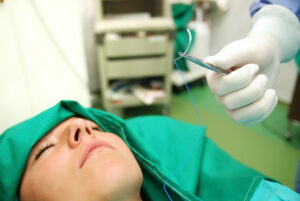
About Plastic Surgery
Consider your expectations carefully before deciding to undergo a cosmetic operation, and ask for a thorough description of the expected outcomes.
Inquire about any potential side effects or difficulties, as well as what to anticipate following the surgery. Although the technique or surgery may alter your appearance and boost your confidence, it won’t necessarily result in your “ideal” body image or alter the course of your life.
It’s normal to experience some anxiety, whether it’s anticipation for your anticipated new appearance or worry about the procedure. Do not be embarrassed to communicate your feelings with your doctor. Look for a second opinion if you don’t feel at ease with the doctor.
Procedure of Plastic Surgery
In cosmetic procedures, a variety of techniques and procedures are used, including facelift, eyelid surgery, body contouring, dermabrasion, laser skin resurfacing, implants and liposuction.
Facelift: The scalp and the area around the ear have skin cuts. Then it is cut free from the supporting tissue, pushed closer, and sewn. The extra skin is removed.
Eyelid Surgery:The eyelids are trimmed all the way down to the wrinkles known as “crow’s feet” at the outside corners. The extra skin and fat are eliminated. Remaining wrinkles can also be treated with laser resurfacing.
Chemical Peel: The outermost layers of skin are removed via a chemical peel. The face is cleaned with a solution, which is then covered with lotion or tape or left exposed.
Dermaberasion: Under local or general anesthesia, the face is subjected to a device resembling an electric sander. The skin surface is scraped off by the fast revolving pad’s abrasive surface.

Types of Plastic Surgery
Spine Surgery
The spinal cord, which runs down the middle of your back, is a collection of nerves. Between your body and your brain, it transmits signals. Your vertebrae, which are the discs of bone that make up your spine, guard it. The spinal cord may be hurt if you are in an accident that hurts your vertebrae or other sections of your spine.
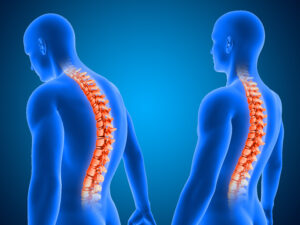
About Spine
Depending on the specific illness, several symptoms are present in spine problems. Since the spine serves as the body’s primary support, problems of the spine frequently have an impact on other body regions. Some common spinal disorders are:
Herniated Disc: A herniated disc or slipped disc, is one that protrudes into the spinal canal and applies pressure to a nerve root.
Lumbar Spinal Stenosis: Lumbar spinal stenosis occurs most frequently in older patients, and can be a result of arthritis.
Lumbar Trauma: Trauma to the lumbar spine are usually the result of a fall or motor vehicle accident.

Procedure of Spine
Some major Spinal disorder treatments that are usually offered by the best neurologist are:
Lumbar Microdiscectomy: A microdiscectomy is performed to relieve pressure on nerve roots caused by a herniated disc.
Lumbar Laminectomy: The lumbar laminectomy must first remove a piece of the lamina, the bony rim that surrounds the spinal canal, to reduce the pressure.
Spine Fusion Surgery: Spine fusion is a surgical procedure used to link together vertebrae, often because of a damaged disc.
Lumbar Disc Replacement: A lumbar disc replacement is a relatively recent operation that relieves herniated and degenerative discs and lower back discomfort. As an alternative to spine fusion surgery, which restricts movement and puts extra strain on the back, disc replacement is available.
Types of Spine Surgery
Surgical Oncology
A subspecialty of surgery known as surgical oncology is dedicated to the surgical treatment of tumors, particularly malignant (cancerous) tumors.
The GMC (General Medical Council) does not recognise surgical oncology as a specialty, despite the fact that the term is widely used.
Rather, it is a term that encompasses a number of disciplines across several specialties. For instance, a gynaecologic oncologist and an otolaryngologist with a subspecialty interest in the surgical treatment of head and neck cancer could both be considered specialists in surgical oncology.

About Surgical Oncology
A team of specialists, including surgical oncologists, physician assistants, advanced practice and registered nurses, and auxiliary team members, make up the surgical oncology field. While surgery is frequently the first line of treatment for many endocrine cancers, it is frequently combined with additional treatment techniques such as chemotherapy and radiation therapy. Teams from surgical oncology clinics can handle both inpatient and outpatient operations.
The use of surgery to treat cancer is known as surgical oncology. Tumors containing cancer cells are surgically removed. Surgery can be performed alone or in conjunction with other treatments to treat cancer.

Types of Surgical Oncology
Urology Treatment
Urology is a surgical speciality that deals with the treatment of conditions involving the male and female urinary tract and the male reproductive organs.
People specializing in the field of urology are called urologists, healthcare professionals who are trained to diagnose, detect and treat this group of disorders and diseases.

About Urology
Treatment of problems affecting the male and female urinary tracts as well as the male reproductive organs is the focus of the surgical specialty of urology. Urologists are medical experts with specialized training in the diagnosis, detection, and treatment of this group of illnesses and diseases.
Among the conditions that urologists may treat include those affecting the kidneys, ureters (tubes that connect the kidneys to the bladder), adrenal glands, bladder, and urethra (the tube that passes urine out of the body from the bladder).
In males, a urologist may also treat conditions of the testes, epididymis, vas deferens, seminal vesicles, prostate and penis. In the field of urology, diseases including urinary tract infections and enlarged prostates are treated medically, whereas kidney stones, stress incontinence, bladder cancer, and prostate cancer are treated surgically.

Procedure of Urology
The urology disorders are the common type of disorders, often left untreated. It is advisable to keep a check on one’s health and always look for the best urologist consultation if ever you find signs or symptoms. The field of urology has multiple line of treatments for different disorders.
Endourology: Endourology deals with the closed manipulation of the urinary tract. The field has grown to now include minimally invasive surgical procedures.
Urology Oncology: This relates to genitourinary malignancies, such as tumors of the kidney, penis, bladder, testicles, ureters, prostate, adrenal glands, or kidneys.
Neurourology: Management of diseases involving the neurological regulation of the genitourinary system or aberrant urination is the focus of neurourology.
Pediatric Urology: This includes treating genitourinary issues that occur in youngsters such cryptorchidism, undeveloped genitalia, and vesicoureteral reflux.
Andrology: The field of andrology focuses on problems with the male reproductive system, including infertility, erectile dysfunction, and vasectomy reversal.
Urology Procedures